





















Managing business vehicles is relatively straightforward when they all operate from one site. Once a company expands across several cities, branches, warehouses, or regional offices, however, keeping track of vehicles becomes more complicated.
From maintenance and driver responsibilities to moving vehicles where they are needed most, here’s how a clear fleet management strategy can help businesses keep operations organized and avoid unnecessary costs.
Create a Central Vehicle Record
Businesses should start by maintaining one central record of every vehicle, even when individual branches manage their own day-to-day operations.
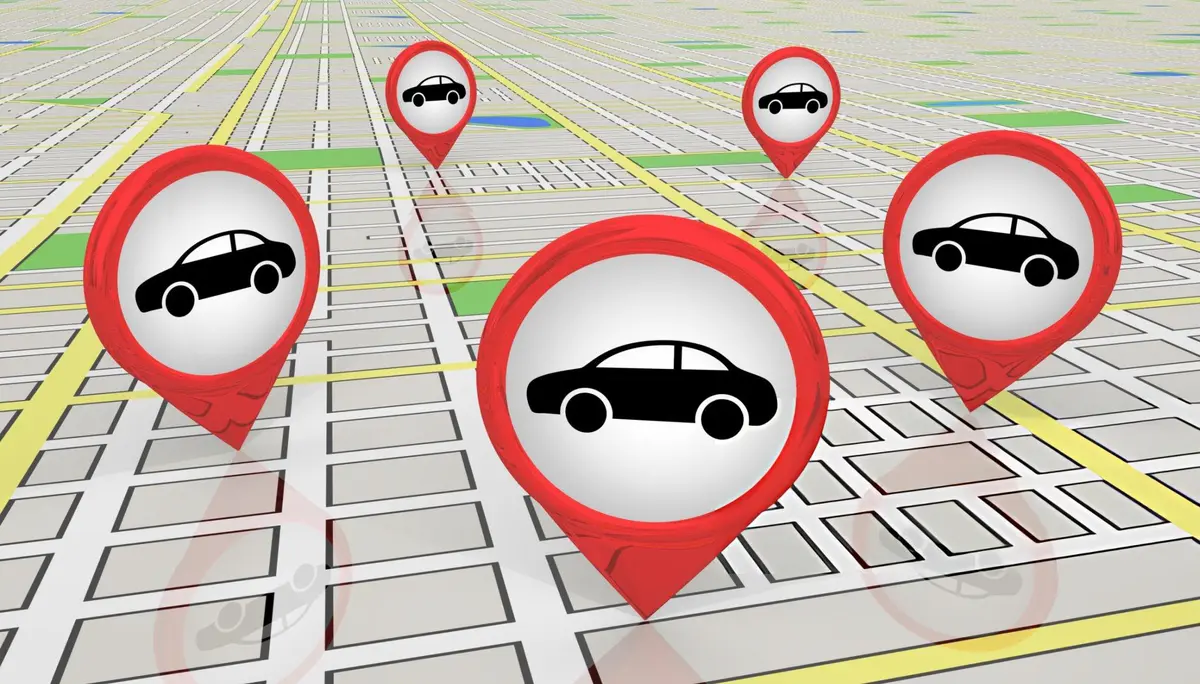
Records can include registration details, mileage, insurance information, maintenance history, current location, and the employee or department responsible for the vehicle. Keeping this information in one system gives managers a clearer picture of the entire fleet.
It also makes it easier to identify vehicles that are underused, approaching a service date, or due for replacement.
Establish Consistent Policies
Different locations may have different operational requirements, but basic vehicle policies should remain consistent.
Businesses can establish company-wide rules covering vehicle inspections, accident reporting, fuel purchases, cleaning, maintenance, and authorized drivers. Local managers can then handle individual vehicles while following the same overall procedures.
Consistency becomes particularly important as a business grows because it reduces the risk of individual branches developing completely different approaches.
Monitor Vehicle Usage
A vehicle that is constantly in use at one branch while another vehicle sits unused elsewhere could indicate that the fleet is not distributed efficiently.
Mileage records, booking systems, fuel data, and vehicle tracking technology can help businesses understand how frequently each asset is being used. Managers can then compare utilization between locations and decide whether vehicles should be reassigned.
This approach can sometimes reduce the need to purchase additional vehicles simply because one location is temporarily short of capacity.
Plan Vehicle Transfers Carefully
Businesses with multiple locations will occasionally need to move cars, vans, or other vehicles between sites. This might happen when opening a new branch, responding to seasonal demand, replacing a damaged vehicle, or balancing the fleet.
For shorter distances, having an employee drive the vehicle may be practical. Longer transfers require more planning because employee time, fuel, accommodation, and return travel can add to the cost. A company moving vehicles to or from Nebraska, for example, might compare professional car transporters in Omaha rather than automatically assigning an employee to make a lengthy journey.
Considering the full cost of each option helps businesses choose the most practical solution.
Coordinate Maintenance Across Locations
Maintenance can become inconsistent when every branch uses different garages or follows different schedules. A central maintenance policy can help prevent important work from being missed.
Businesses should establish clear service intervals and procedures for reporting faults. Digital reminders can alert managers when inspections, servicing, tires, or other routine work are due.
Keeping maintenance records centrally also provides useful information when deciding whether an older vehicle remains economical to operate.
Give Local Teams Clear Responsibility
Central oversight does not mean every minor decision needs approval from head office. Businesses can assign a responsible person at each location to oversee inspections, keys, maintenance appointments, and driver records.
Clear responsibilities help prevent situations where everyone assumes somebody else is looking after a vehicle.
Review the Fleet Regularly
A multi-location fleet should change alongside the business. New offices may require additional vehicles, while changes in staffing or customer demand can leave other locations with more capacity than they need.
Regular fleet reviews allow businesses to examine costs, utilization, maintenance, and vehicle distribution together. With central oversight and sensible local management, companies can keep vehicles available where they are needed while avoiding unnecessary spending and administrative complexity.