




















A garden can be attractive and frustrating to use. The path may be too narrow when you carry groceries, the patio may sit in full afternoon sun, a hedge may block the best view, or a beautiful planting bed may demand more upkeep than anyone in the household has time to give it.
That is why garden design works best when aesthetics and everyday life are planned together. Whether you are starting with bare soil or reworking an established yard, the following principles can help create an outdoor space that feels good on day one and works overtime.
1. Design the Routes Before the Details
Before choosing plants or decorative features, map how people actually move. Where do you walk from the driveway to the door? How do you reach the shed, bins, side gate, or patio? Is there a route that needs to work in the rain? A garden becomes noticeably easier to live with when circulation is obvious and comfortable.
Paths do not have to be straight, but they need to be purposeful. A gentle curve can slow the pace and reveal the garden; a direct paved route may make more sense for a high-traffic entrance. The design should reflect the job the path needs to do.
2. Work From the Views You Use Most
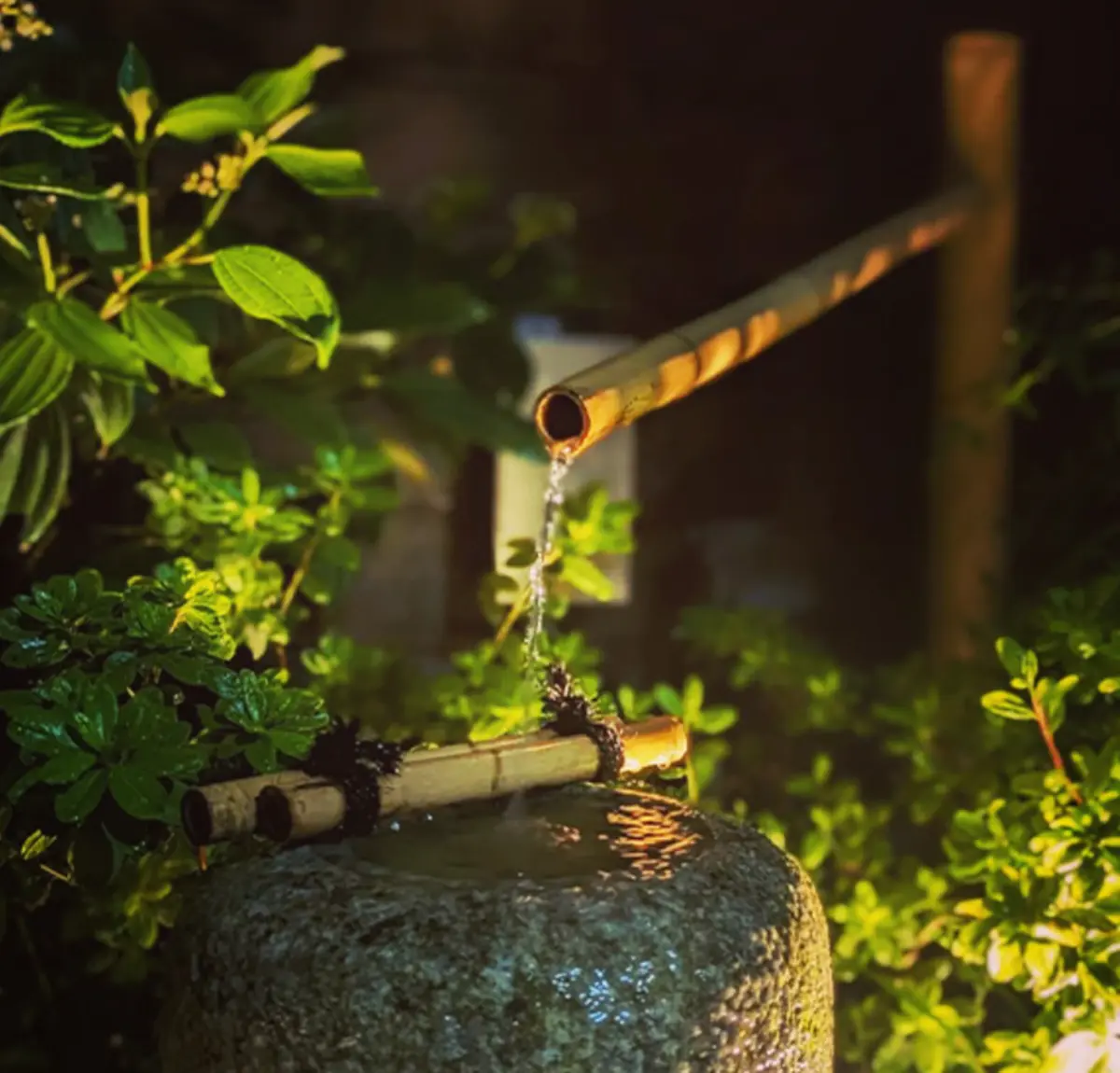
Think about where you see the garden from inside the home. A kitchen sink, dining table, bedroom window, or home office may provide the most frequently used viewpoint. Positioning a strong planting group, tree, stone feature, or small water element in that sightline can make the landscape part of the interior experience.
This is one reason professional garden design in Vancouver often considers more than the shape of the property itself. Orientation, window placement, light, grade, existing vegetation, and neighbouring views all influence how the finished landscape feels.
3. Give Privacy Layers, Not Just Walls
Privacy is treated as a fence-height problem, but the most comfortable gardens use several layers. A fence or screen may handle the main sightline, while shrubs, grasses or small trees soften the edge. Changing the seating can sometimes solve more than adding another metre of screening.
Selective privacy can also preserve what is worth keeping. If a neighbour has a mature tree that creates a beautiful canopy above the fence, there is little reason to block it simply because the house below needs screening.
4. Reduce Maintenance by Simplifying the Palette
Low-maintenance does not mean no-maintenance, but design can reduce repetitive work. Fewer plant varieties, repeated in groups, are often easier to care for than a collection of one-off specimens. Replacing awkward patches of lawn with groundcover, gravel, planting or hardscape can reduce mowing and edging. Choosing plants suited to the actual sun, moisture, and soil conditions also prevents a cycle of replacement.
The goal is to match the garden to the amount and type of care you realistically want to provide. Some people enjoy detailed pruning and seasonal planting. Others would rather do a few larger maintenance sessions each year. Neither approach is wrong, but the design should know which household it is serving.
5. Use Natural Materials Where They Make Sense
Stone, timber, gravel and bamboo can add texture without relying on bright colour or ornament. They also age in ways that feel appropriate outdoors. The key is construction quality: stone needs a stable base, timber needs suitable detailing, and gravel areas need proper edging and drainage to remain tidy.
Natural materials work particularly well when the garden already has sturdy trees, slopes, or exposed rock. Rather than competing with those features, the additional work can feel like an extension of the site.
6. Plan for Water—Both Wanted and Unwanted
Water features can add sound, movement, and wildlife value, but every garden also has to manage rain. Observe where water collects, where downspouts discharge, and whether paved areas push runoff toward the house. Vancouver’s wet season makes drainage a design issue, not an afterthought.
If you add a pond, basin, or stream, consider access for cleaning, pump maintenance, and seasonal debris. A water feature is most enjoyable when the practical systems are easy to reach and visually discreet.
7. Design a Winter Garden, Not Just a Summer One
It is easy to fall in love with plants in bloom and forget what the yard will look like in January. A strong year-round garden uses structure: evergreen foliage, branching form, bark, stone, walls, fences, pathways, and lighting. Those elements carry the composition through months when flowers are sparse.
Planning for winter can actually improve the summer garden because it forces you to think about the underlying framework. When the structure is good, seasonal colour becomes an accent rather than something the entire design depends on.
A Garden That Feels Effortless
The routes offer comfort, the views are intentional; the designers handle privacy without creating a fortress, and they set realistic maintenance expectations. Materials and plants support the same overall idea instead of competing for attention. If you are planning a renovation, start by writing the problems you want the outdoor space to solve before making a wish list of features. That simple exercise can keep the project focused. The best garden is not the one with the most things in it; it is the one that makes daily life outside feel easier, calmer, and more enjoyable.