





















Key Takeaways
- 23andMe offers DNA gift options for ancestry exploration, family-history research, and selected genetic health information.
- Basic Ancestry is a straightforward choice for someone beginning to explore their origins and DNA relatives.
- Premium memberships add deeper family-history tools and have annual renewal charges after the initial gift purchase.
- Genetic testing is personal, so recipients should decide for themselves whether to register a kit and provide a sample.
- Health reports are informational and should not replace clinical testing, recommended screening, or professional medical advice.
Can 23andMe Solve the Problem of Finding a Personal Gift With Lasting Value?
A gift can feel more meaningful when it gives someone an experience rather than simply another item to own. For adults who are curious about family stories, geographic origins, or genetic health information, 23andMe DNA test gifts provide a structured way to begin that discovery.
Unlike a one-time novelty gift, a DNA kit can lead to ongoing exploration. A recipient may review ancestry results, choose to participate in DNA relative matching, build a family tree, or return to new features over time. Still, the most thoughtful approach is to make clear that the recipient is fully in control of whether to test.
Interest in direct-to-consumer genetic testing often includes Ancestry, Health, and family relationships. A survey on public attitudes toward direct-to-consumer genetic testing found that respondents viewed these services as potential avenues for gaining insight into Health, Ancestry, family connections, and research participation.
That personal value also calls for care. DNA results can occasionally uncover unfamiliar relatives, surprising ancestry information, or health-related findings that a person did not expect. A gift should be offered as an invitation to explore, never as pressure to share results or make decisions before the recipient is ready.
What Does 23andMe Offer as a DNA Test Gift?
23andMe currently presents four giftable options, each aimed at a different level of interest and involvement:
- Basic Ancestry, $99: For a recipient who wants ancestry percentages, access to more than 5,000 geographic regions, and DNA Relative Finder.
- Premium Ancestry, $149: For a dedicated family historian who wants Family Tree, Historical Matches, Reconstructed Ancestors, advanced filters, and DNA-relative clustering tools.
- Premium Ancestry + Health, $199: For an adult interested in ancestry features plus more than 65 health reports and features, including wellness, health predisposition, carrier status, heart-health, medication-processing, and migraine-related reports.
- Premium Ancestry + Total Health, $499: For an eligible recipient seeking the most extensive option, including Premium Ancestry + Health features, exome sequencing, blood testing, and genetics-informed clinical care.
Premium Ancestry renews at $69 per year, Premium Ancestry + Health renews at $99 per year, and Premium Ancestry + Total Health renews at $199 per year. For these membership options, the recipient must provide a valid payment method at the time of kit registration. Total Health also has availability restrictions in certain U.S. locations.
Which 23andMe Gift Is Best for a Family Historian?
Basic Ancestry for a Clear Starting Point
Basic Ancestry fits someone who wants an accessible introduction to their DNA story. It provides ancestry percentages to the tenth of a percent, regional ancestry results, and the option to connect with genetic relatives through DNA Relative Finder. It can be a strong choice for a curious parent, adult child, sibling, or friend who has not yet explored genetic genealogy.
Premium Ancestry for Deeper Research
Premium Ancestry is better suited to someone who already keeps family records, uses genealogy software, or enjoys investigating historical connections. Its Family Tree tools, Historical Matches, Reconstructed Ancestors, advanced relative filters, and clustering features can help organize discoveries as the recipient explores different branches of their family. Because it is a membership, it is especially relevant for someone likely to revisit the tools throughout the year.
When Should Someone Choose Premium Ancestry + Health?
Premium Ancestry + Health may be appropriate for an adult who actively wants both ancestry discovery and genetic health information. The service includes reports that address selected genetic predispositions, carrier status, wellness, medication processing, and other health-related topics. It is not the right gift for someone who would prefer to avoid health information or has not expressed interest in receiving it.
Results must be understood within the limits of the specific variants tested. They do not diagnose disease, define a person’s complete health risk, or replace medical care. The potential benefits and limits of genetic testing are especially important to discuss when a family history suggests an inherited condition or when a result may affect medical choices.
How Does a 23andMe Gift Work From Purchase to Results?
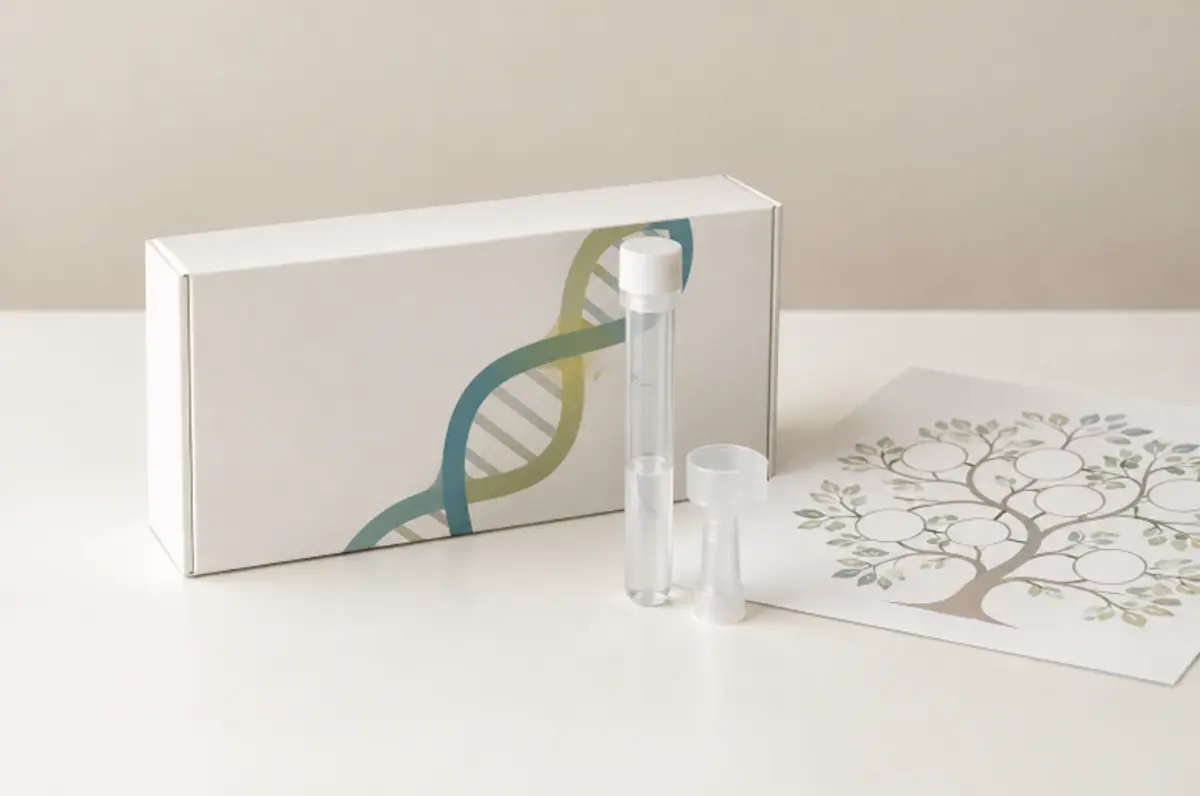
- The gift giver chooses a kit or membership option and completes the purchase.
- The recipient receives the saliva-collection kit.
- The recipient creates or accesses a secure 23andMe account and registers the kit.
- The recipient submits a saliva sample and returns it using the provided instructions.
- After processing, reports become available in the recipient’s online account.
Shipping and results timing are separate. 23andMe lists standard delivery at about 3 to 6 business days after shipment, expedited delivery at about 2 to 3 business days, and express delivery at about 1 to 2 business days. Reports are generally available online in approximately three to four weeks after the sample is processed. Delays can occur if a kit is not registered or a usable sample is not received.
What Should Gift Givers Consider Before Ordering?
- Consent: The recipient should choose whether to test, register, and share any results.
- Family discoveries: DNA matching may reveal relatives or relationships that were previously unknown.
- Privacy: The recipient should review privacy choices, research participation options, and account settings before submitting a sample.
- Health implications: Any concerning health-related result should be discussed with a qualified healthcare professional before taking any medical action.
- Membership terms: Premium plans involve renewal pricing, so that commitment should be clear before the gift is given.
Why Can 23andMe Be More Engaging Than a Traditional Gift?
For the right person, 23andMe can become a shared family activity. Siblings, cousins, parents, and adult children may compare family stories, discuss geographic origins, or build a clearer picture of how different branches connect. Having more participating relatives can create additional opportunities for genetic comparisons, although no one should feel obligated to participate.
Basic Ancestry may be a good fit for a casually curious adult or a family celebrating its shared heritage. Premium Ancestry may be better suited to a serious genealogist. Premium Ancestry + Health is best suited to an adult who wants the added health-report experience and understands its limitations. Total Health is a more specialized option for eligible adults seeking broader testing and clinical services.
Common Questions About 23andMe DNA Test Gifts
Can a 23andMe DNA test be given as a gift?
Yes. 23andMe offers gift options across its ancestry and health product range.
Does the recipient need to activate the kit?
Yes. The recipient must register the kit and provide a saliva sample before results can be processed.
How long do results take?
Reports are generally available in approximately three to four weeks after sample processing.
Can health reports diagnose a condition?
No. They are not intended to diagnose disease or replace professional medical guidance, clinical confirmation, or recommended screening.
Final Thoughts
A 23andMe gift can provide a meaningful way to explore ancestry, family connections, and selected genetic health information. The right option depends on the recipient’s interests, comfort with genetic testing, and willingness to manage any ongoing membership costs. Most importantly, the recipient should remain in control of whether to test, review results, and decide how to use the information.