






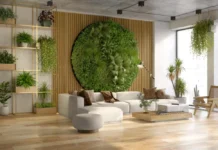















Sustainable interior design has now become a mainstream choice and a necessity, particularly in rental accommodation, where cost-effectiveness, longevity, and the long-term appeal of an item are of significant importance. Well-designed interiors help reduce environmental pressure and provide healthier, more attractive living conditions that can appeal to responsible tenants. In key U.S. markets, such as property management in Houston, the focus is on the idea that environmentally friendly interior remodeling, including energy-efficient lighting, low-impact materials, and more intelligent designs, can reduce operating expenses and raise tenant satisfaction, ultimately boosting the overall rental value of the property. Sustainable design options enable rental houses to be more responsible and comfortable, enabling them to compete in changing housing markets.
Five Smart Interior Choices That Reduce Environmental Impact and Increase Rental Value

1. Energy-Efficient Fixtures That Lower Long-Term Costs
Analysts working in property management in San Antonio often opine that retrofitting interior lighting and appliances with energy-saving options can greatly lower utility bills, thereby directly increasing the total rental value of the property. Light-emitting diodes (LEDs), ENERGY STAR-certified appliances, and smart thermostats use much less energy than conventional appliances and offer better functionality and longer lifespans. The advantages of these upgrades include lower maintenance and replacement costs for property owners and lower monthly costs for tenants.
From a sustainability perspective, the use of energy-efficient fixtures will minimize the carbon emissions generated by electricity production. Layered LED lights, motion sensors, and layouts that optimize daylight use are used in interior designs, avoiding unnecessary energy use without sacrificing comfort.
Did you know?
In the San Antonio rental market, average asking rents have remained among the highest in the U.S., exceeding $3,000 per month in many neighborhoods.
2. Sustainable Materials That Prioritize Durability and Health
The materials used in interiors are a key factor affecting the environment. Curtis, furniture and floors constructed from renewable or recycled materials have a major impact on reducing a house’s ecological footprint. Bamboo flooring, recycled metal fittings, recycled metal, and responsibly sourced stone provide durability and reduce resource depletion.
The use of low-VOC paints and finishes can further improve indoor air quality by minimizing harmful emissions that can lead to long-term health problems. Such materials are especially useful in rental houses, where durability is important, as they help reduce replacements and waste. Sustainable materials also age beautifully and remain attractive over time, which reinforces the image of good living conditions.
3. Water-Saving Design Choices That Conserve Resources
Water efficiency has been a principle of sustainable interiors. Water-efficient showerheads, dual-flush toilets, and low-flow faucets significantly reduce water consumption without sacrificing performance. Interior plumbing improvements are added to the significant conservation activities, as well as to reducing utility expenses, in both multi-unit and single-family rentals.
In the kitchen and the bathroom, careful planning of layouts that require the shortest possible pipe lengths and better water pressure will ensure that consumption goes down. The use of water-saving interiors reconciles sustainability and practicability, achieving long-term operational savings and strengthening the principles of environmentally friendly living.
Did you know?
In the Houston rental market, average rents have increased by roughly 6–7% year over year.
4. Thoughtful Space Planning That Reduces Waste and Overconsumption
Planning that involves efficient allocation of space facilitates sustainable living. Properly designed interiors emphasize multipurpose areas that do not require overuse of furniture or unnecessary remodeling. The storage is inbuilt, shelf modules are built in, and room arrangements are flexible; both promote more efficient organization and reduce material consumption.
Small, well-planned interiors tend to be pretty spacious and comfortable compared to large, poorly designed interiors. This method reduces building waste, decreases energy use for heating and cooling, and supports the minimalist lifestyle philosophy, which emphasizes quality over quantity. In residential properties, the flexible layouts will attract more customers and minimize the turnover-related adjustments.
5. Natural Light and Ventilation That Improve Efficiency and Well-Being
Maximum use of natural light minimizes the need for artificial lighting and enhances energy efficiency. The use of minimal wall colors, reflective flooring, and clear window placement is an effective interior design that increases light penetration in the house. Placing furniture strategically will allow natural light to flow freely, so daytime electrical lights will not be needed.
Ventilation is also very crucial in sustainability. The layouts are designed with cross-ventilation and breathable materials to enhance air circulation, reducing the need for mechanical cooling systems. These design options encourage lower energy use and promote healthier indoor environments, which tenants appreciate.
End Point
Sustainable living design is no longer a trend, but a strategy for creating a high-value, resilient interior in rental. The use of energy-efficient lamps, high-durability materials, water-efficient solutions, considerate space planning, and the maximization of natural light altogether minimizes environmental impact and increases the appeal to tenants. In the competitive U.S. rental market, these intelligent interior options help reduce operating costs, address high demand, and enhance property value in the long run. Green interiors are eventually a bet on greenery and long-term rental prosperity.