






















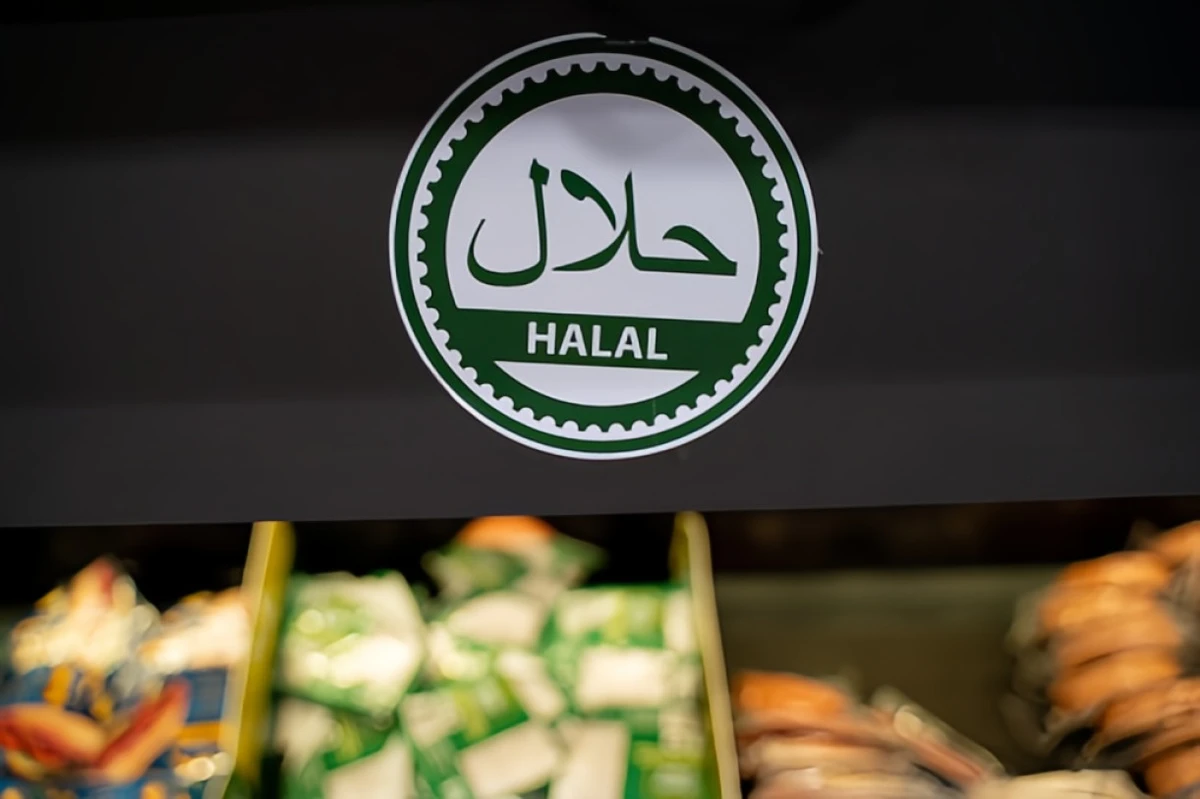
Halal certification is a formal confirmation from an accredited body that a product, facility, or service meets the dietary and ethical rules set out in Islamic law. The term “halal” comes from Arabic and means “permissible”. It covers food, cosmetics, pharmaceuticals, and even packaging, signalling that every ingredient, processing step, and point of contact along the supply chain follows those rules. For brands, the mark opens doors to consumers across North America, the Gulf, Southeast Asia, and Europe who read labels carefully before they buy. Certified operations also carry a current certificate on file that spells out what is covered and for how long.
How halal certification works
At its core, halal certification is a third-party audit. A recognized certification body reviews a company’s ingredients, sourcing, equipment, and procedures, then issues a certificate once the operation passes inspection. One example is the Canadian Halal Bureau, a Montreal-based certifier that audits food, meat, dairy, cosmetics, pharmaceuticals, packaging, and cleaning products for Canadian manufacturers and exporters.
So, how does halal certification work in practice? Inspectors look at supplier records, check for cross-contact with non-halal substances, interview staff, and watch production in real time. If a site already runs HACCP or SQF programs, auditors may combine visits to reduce duplication. A certificate typically remains valid for one year, after which a renewal audit takes place.
Key halal certification requirements
A company may desire to know what is contained within “the standard”. In general, there are three types of conditions to be met for certification of halal food: ingredients, processing, and premises.
All ingredients should be sourced from approved suppliers. Meat and poultry should be slaughtered in a particular manner by someone who is a Muslim. Animal fat, blood, alcohol or non-halal enzymes are not allowed. In many instances, product teams delve into supplier declarations before the audit for the purpose of flavorings, emulsifiers, and gelatin.
Preventing cross-contact in processing lines. This involves separate runs, proper cleaning between non-halal and halal batches, and proper labeling of utensils and storage. Shared warehouses and shared transport also are on the list for review.
The rest of the story is completed by premises. The decision is based on pest control, waste handling, and the overall cleanliness of the facility. Documentation is also a key component of the system as it links all finished products to the raw materials: Traceability records should link each finished product to raw materials.
The halal certification process for businesses
Most certifiers run through a short sequence of steps when onboarding a new client. The exact names vary, but the shape stays recognizable across the industry.
Typical stages include:
- Application and quote. The business sends a product list, facility information, and ingredient details, and the certifier estimates scope and timeline.
- Technical review. Auditors read supplier declarations, formulation sheets, and safety data sheets, with any gaps flagged in writing.
- On-site audit. A trained inspector visits the plant, walks production, and samples records. Many audits finish inside a single day.
- Corrective actions. If issues come up, the company addresses them and provides supporting evidence.
- Certification and listing. A certificate is issued, and the company and its products appear on the certifier’s public register.
- Surveillance and renewal. Annual audits and random checks keep the certificate in good standing.
For multi-site operations, each plant is audited separately, although some paperwork can be shared across the group to save time.
Halal certification in Canada
Canadian certification sits inside a wider food safety environment overseen by the Canadian Food Inspection Agency, which in 2016 set out a federal rule for voluntary halal labeling. Any claim on a package in the Canadian market must be backed by a certifier whose name sits on the label.
A short comparison of categories a business may want to certify:
| Category | Typical scope of audit | Example products |
| Meat and poultry | Slaughter, cutting, storage | Beef, chicken, lamb |
| Dairy | Cultures, enzymes, flavoring | Cheese, yogurt |
| Bakery and snacks | Fats, emulsifiers, flavors | Bread, crackers, cookies |
| Cosmetics | Animal-derived ingredients, alcohol | Creams, lipsticks |
| Pharmaceuticals | Capsules, excipients | Supplements, syrups |
Canadian certifiers also work with networks abroad, moving certified products into the Gulf, Malaysia, Indonesia, and parts of Europe through recognized gateways.
Facility conditions and halal certification
Many auditors spend as much time on the building as on the ingredients. Cleaning and sanitation protocols carry real weight during an inspection. Floors, drains, equipment, air handling, and even staff uniforms must show that non-halal residues cannot travel into a halal production run. The same expectations apply in United States plants that supply domestic grocery chains or export markets, where a visiting auditor looks for the same evidence of segregation and hygiene.
For food, beverage, and personal care plants that already run janitorial, pest, and maintenance programs, halal readiness often builds on what is already in place. Validated clean-in-place cycles, dedicated color-coded tools, separate storage for non-halal materials, and clear signage all help an auditor sign off faster. Walls, drains, loading docks, change rooms, and waste streams usually appear on the inspection checklist, so routine facility upkeep should keep records of each clean, each pest-control visit, and each repair ready to show.
US operations that outsource facility services benefit from aligning their contractor’s work plans with the standard set by the certifier. A shared SOP between plant management and the facility services team keeps schedules, chemicals, and verification steps on the same page, so that nothing in the daily routine quietly blocks compliance on audit day.
Where halal certification leaves a brand
For a producer, halal certification is less a single stamp and more a working system: controlled sourcing, segregated production, trained staff, documented records, and an annual visit from an outside auditor. Companies that reach it tend to see two outcomes close to home. The first is access to an engaged consumer segment in Canada and the United States that actively looks for the mark on the shelf. The second is the ability to ship into markets abroad where certification is a condition of entry rather than a nice-to-have on the label. The specifics shift with the product, the plant, and the certifier chosen, but the shape of the result is consistent: a verified halal claim backed by a current certificate on file, plant procedures that keep it that way, and an annual audit on the calendar.